Innisfil has transformed over the past two decades from a quiet agricultural township between Barrie and Bradford into one of the fastest-growing communities in Ontario. The town's population has surged past 40,000, driven largely by new subdivision development along the Innisfil Beach Road corridor, the Sleeping Lion and Friday Harbour areas, and the expanding residential zones near the GO Transit station on the 6th Line. That rapid growth has produced a housing stock dominated by homes built in the 2010s and 2020s—properties that look modern on the outside but frequently contain the cheapest builder-grade HVAC equipment the developer could install while meeting building code minimums. Imperial Heating has been servicing Innisfil homes since the area's growth began accelerating, and we understand the specific challenges that come with this community's housing profile.
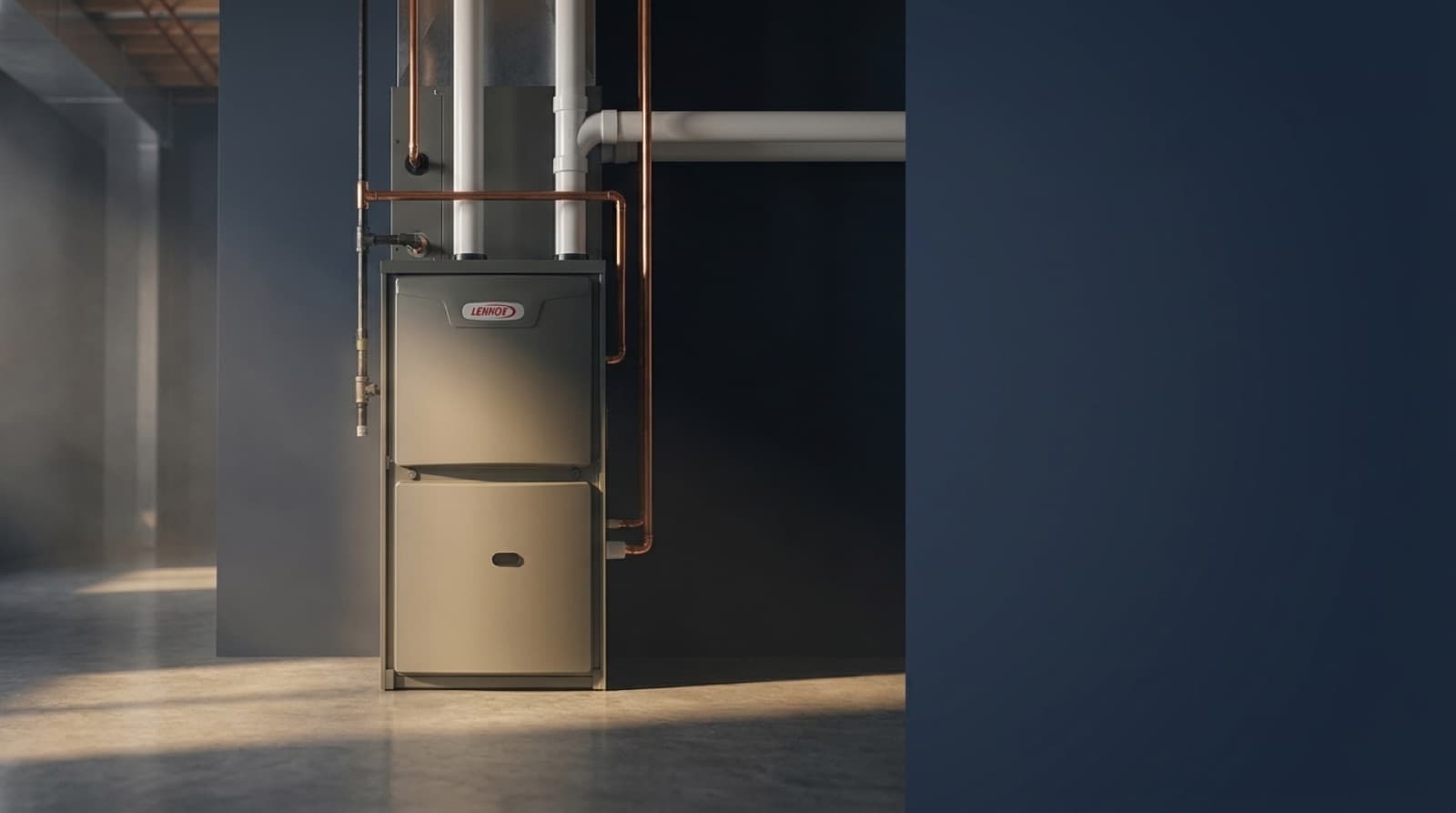
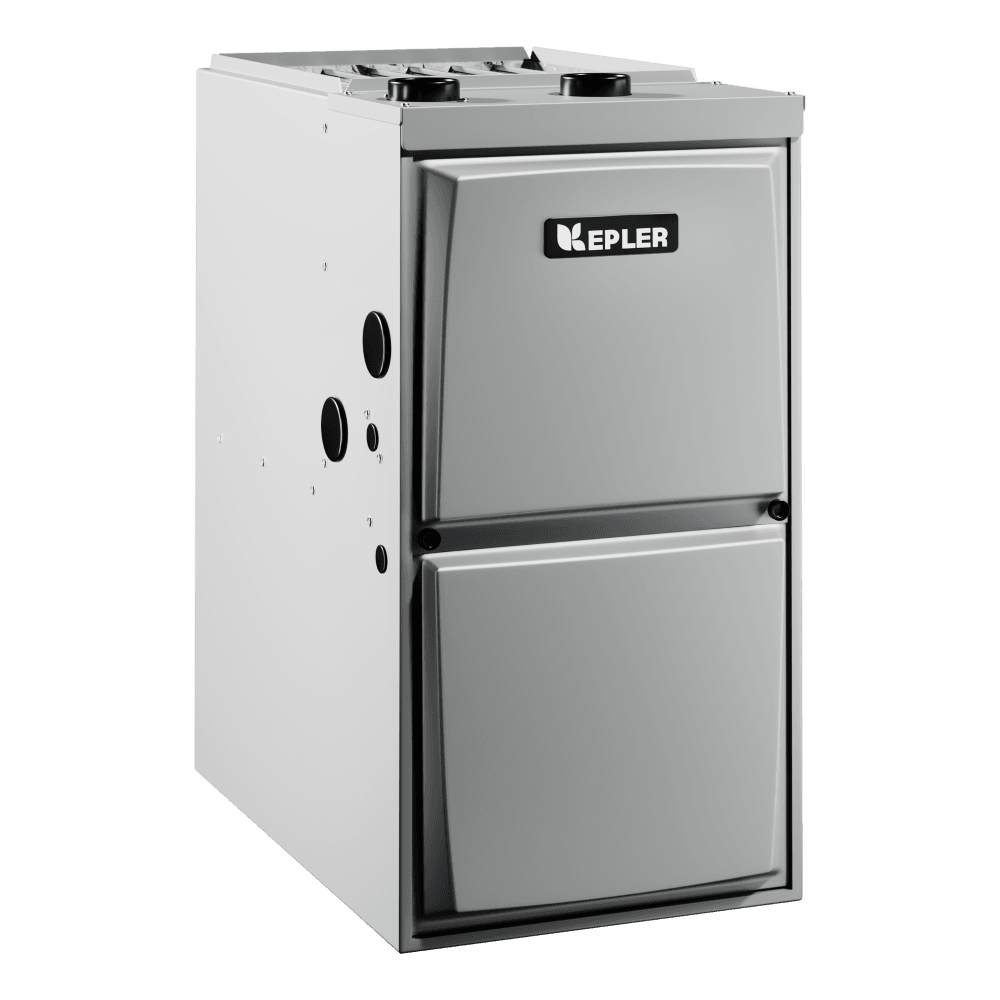
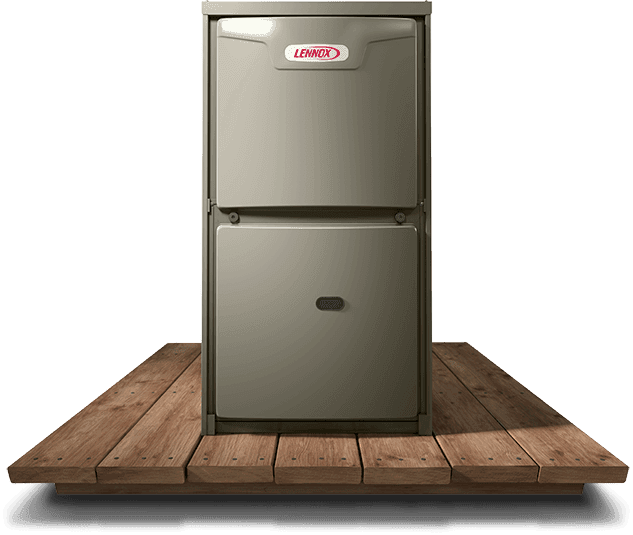
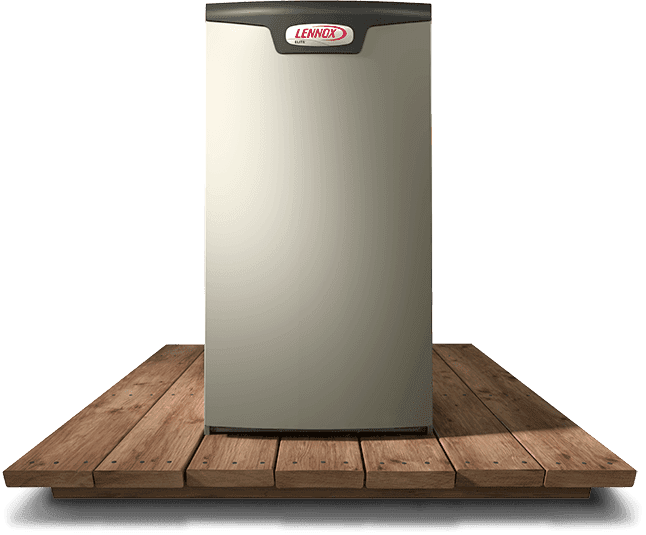
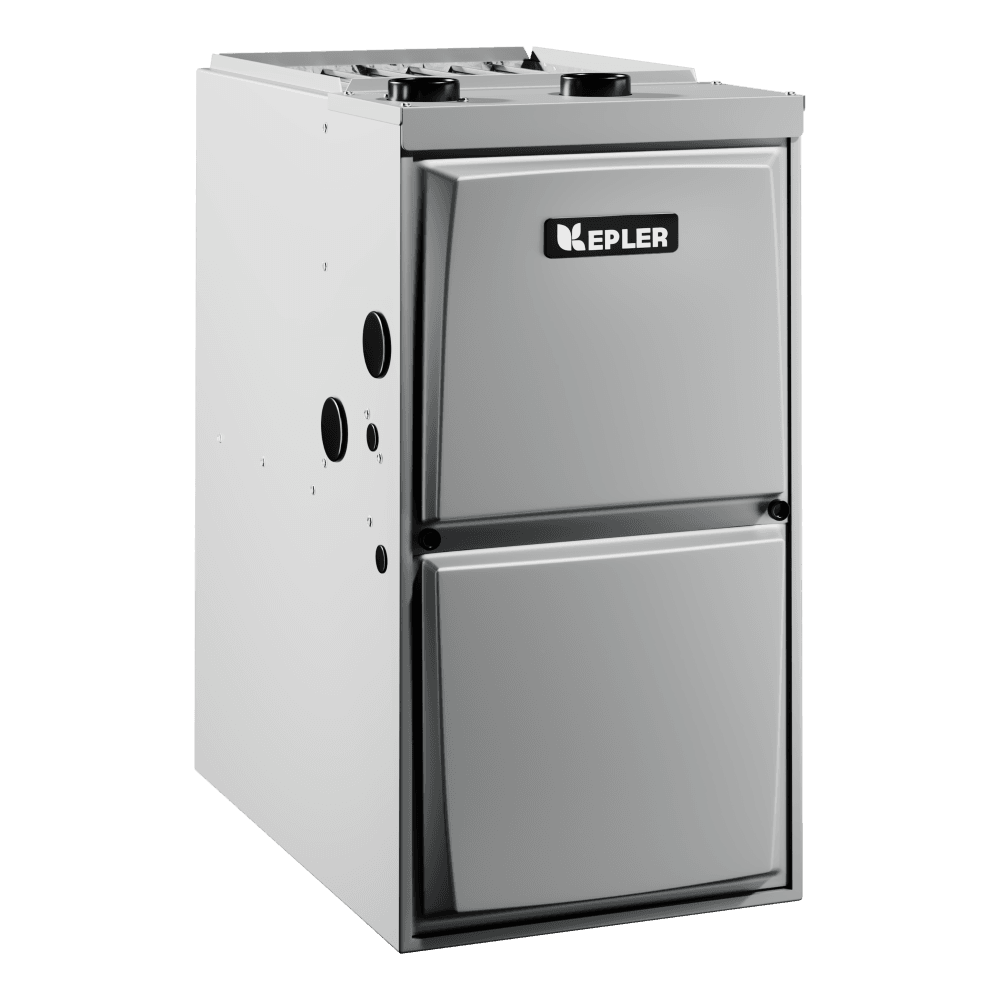
Builder-grade furnaces are the defining HVAC issue in Innisfil. When a developer builds 200 homes in a subdivision, they negotiate bulk pricing on furnaces and air conditioners, selecting equipment based primarily on cost rather than performance or longevity. The result is homes equipped with entry-level furnaces rated at 92 to 95 percent efficiency, paired with the most basic single-stage air conditioners and the cheapest programmable thermostats available. These systems pass code inspection and work adequately for the first 8 to 12 years. But as the first wave of Innisfil's modern subdivisions ages into the 12-to-18-year range, homeowners are experiencing the consequences: declining efficiency, increasing repair frequency, uneven temperatures between floors, and the realization that their "high efficiency" furnace isn't performing anywhere close to its rated specifications anymore.
The newer homes in the Alcona, Lefroy, and Stroud areas of Innisfil are generally well-insulated and well-sealed—a significant advantage when considering a heating system upgrade. Modern building envelopes hold heat effectively, which means a properly sized heat pump can keep these homes comfortable with lower energy output than an older, leakier home would require. For Innisfil homeowners facing their first furnace replacement decision, a cold-climate heat pump is worth serious consideration. These systems heat the home in winter (efficiently down to minus 25 degrees) and provide air conditioning in summer, replacing both the furnace and the AC unit with a single piece of equipment. The operating cost savings typically range from 30 to 45 percent compared to running the existing natural gas furnace plus central air conditioner.
Lakefront properties along Lake Simcoe's western shore—particularly in the Innisfil Beach, Big Bay Point, and Sandy Cove areas—present their own set of HVAC considerations. Many of these homes were originally built as cottages in the 1960s through 1980s and have been converted to year-round residences over time. The conversions often involved adding heating systems that were designed for weekend winter use rather than continuous occupancy, resulting in undersized furnaces, inadequate ductwork, and heating bills that seem disproportionately high for the home's square footage. Some lakefront properties still run on propane rather than natural gas, which makes the cost-per-BTU of heating significantly higher and strengthens the financial case for heat pump conversion. Imperial Heating has extensive experience with lakefront HVAC installations, including addressing the challenges of moisture exposure on outdoor equipment and designing systems that handle the unique heating patterns of homes with large windows facing the lake.
For an Innisfil homeowner replacing a 15-year-old builder-grade furnace and AC, a heat pump replaces both and delivers lower monthly bills for its entire 20-year service life.
Whether you're in one of the new subdivisions along 20th Sideroad, a converted cottage on the lake, or an established home in Cookstown at Innisfil's western edge, Imperial Heating provides the full range of residential HVAC services—furnace repair, heat pump installation, air conditioning service, annual maintenance, and an after-hours line that gets answered. We know Innisfil's housing stock, we understand the community's growth trajectory, and we're here to help your home stay comfortable through every season. Call (647) 852-2359 for an honest assessment and a straightforward quote.
Innisfil is a string of lakeside communities rather than one town, and each has its own pattern. Alcona is the largest and newest, mostly subdivision homes on natural gas with builder furnaces now in their replacement window. Lefroy, Gilford and Belle Ewart hold far more converted cottages, where a place built for July weekends is now lived in through February on a heating system that was never designed for it.
Those conversions need the most care. A cottage that had a furnace bolted in during a renovation often has an uninsulated crawlspace, early double-pane glazing, and duct runs that reach the addition but not the original rooms. Adding tonnage does not fix any of that. We run the load calculation before quoting equipment, and sometimes the honest answer is that a single ductless head in the cold room beats a bigger furnace for half the money.
Lake Simcoe changes the summer side too. Homes within a few blocks of the shoreline carry noticeably more humidity than the ones up near Highway 400, so an air conditioner or heat pump there has to run long cycles to pull moisture rather than blast cold air and shut down. Innisfil Beach Road is our rough dividing line when we are talking sizing through on the phone.
Innisfil work is seasonal in a way most of our service area is not. The lakeside communities empty out and fill up, so we get a burst of calls each spring from people opening a place that sat cold all winter, and another each fall from owners closing down or deciding to stay through the winter this year. Both go better booked in advance than at the first freeze, and a spring inspection on a property that overwintered empty is cheap insurance against a split line.
The newer Alcona subdivisions follow a different pattern. Those homes are tight and well insulated, so the furnace the builder specified is frequently larger than the house actually needs. An oversized furnace short-cycles, burns through igniters and inducer motors early, and leaves the upstairs uneven. When we replace one we size to the measured heat loss rather than matching the old nameplate, and homeowners usually notice the comfort difference more than the bill.
Last updated: September 2026